How a Great Cafe in Monument, CO Builds Local Connections
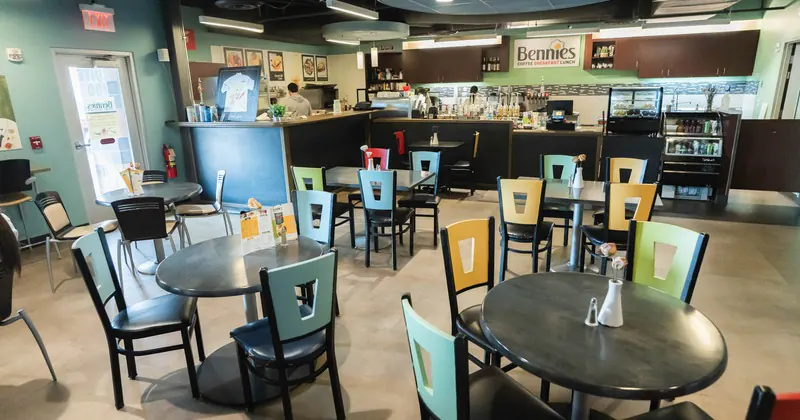
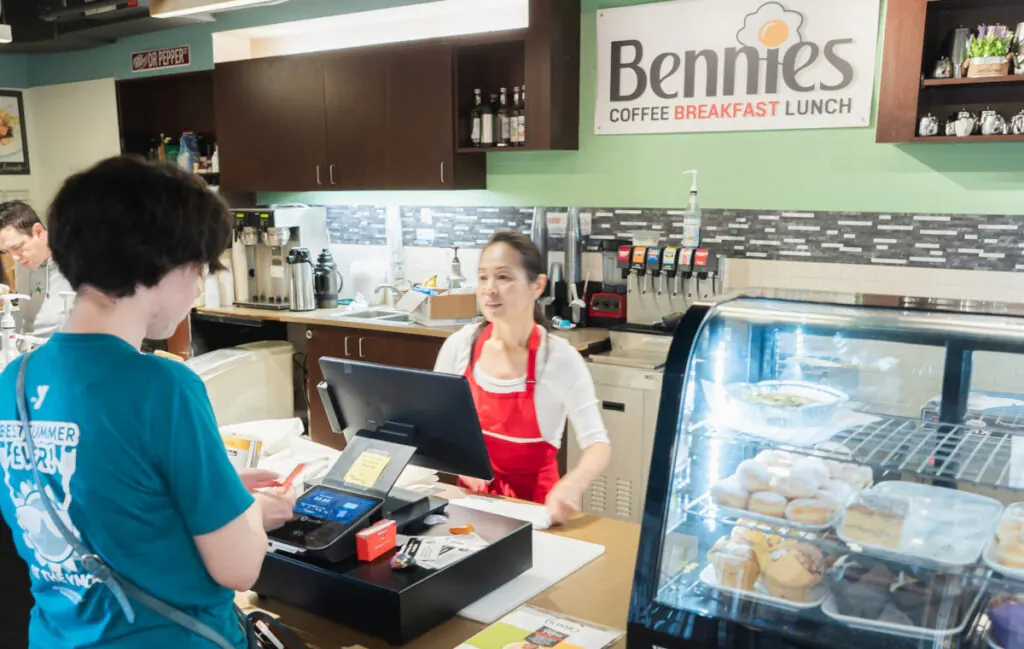
A great cafe does more than serve coffee. It shapes routines, creates familiarity, and gives people a place to recognize one another outside the narrow roles of work, school, and errands. In a town like Monument, that matters more than many owners first realize.
Monument sits in a space that has its own tempo. It is close enough to larger employment centers that many residents commute, yet small enough that local businesses still carry the social weight that chains and drive-through culture often flatten. People here move between neighborhoods, schools, trails, churches, offices, Cafe Monument, CO and youth sports fields. Their schedules can be packed. Their circles can stay separate. A well-run cafe becomes one of the few places where those worlds naturally overlap.
That overlap does not happen by accident. It comes from dozens of decisions that seem small in isolation: how the staff greet regulars, how long someone feels welcome to sit with a laptop, whether a parent can settle in with a stroller, whether the music leaves room for conversation, whether a local nonprofit feels comfortable asking about a fundraiser, whether the owner remembers that the contractor in line at 6:45 a.m. Needs speed and the retired couple at 10:30 wants time.
When people talk about a favorite Cafe Monument, CO residents return to again and again, they are often describing a business that understands this human layer. The coffee matters. The food matters. The service definitely matters. But the real loyalty forms when a cafe becomes part of local social infrastructure.
Why cafes matter in a town the size of Monument
In larger cities, people can spread their attention across countless third places, those settings that are neither home nor work. In a smaller town, the number of true gathering places is narrower, which gives each one more significance. A cafe can quietly become a hinge point in community life.
You see this in everyday patterns. A business owner stops in before opening the shop. A remote worker claims the same table twice a week. Two parents from different schools discover their kids play on the same soccer team. Someone new to town overhears a conversation about a local event and suddenly has a point of entry. None of this sounds dramatic, but it is exactly how social trust accumulates.
Monument also has a practical rhythm that supports this role. Morning traffic includes commuters heading south, parents managing drop-off, and tradespeople getting an early start. Midmorning often brings retirees, home-based professionals, and residents fitting errands into a quieter part of the day. Afternoons can shift toward students, casual meetings, and families. A cafe that understands these waves can serve different groups without making any of them feel like an afterthought.
That is not easy. A room that works well for a laptop user can feel cold to a social group. A fast-moving line can alienate someone who wants recommendations. A cozy space can become frustrating if turnover is too slow. The strongest cafes in communities like Monument solve these tensions not with slogans, but with operational discipline.
The first connection is almost always routine
Most lasting customer relationships begin with repetition, not novelty. A person comes in because the location is convenient, the espresso is dependable, or the breakfast is better than expected. They return because the experience becomes frictionless. The barista remembers the order. The line moves at the right speed. The pastry case is stocked when it should be. The person at the register can answer a question without sounding rushed.
Routine does not sound glamorous, but in hospitality it is where trust starts. If someone visits three mornings in a row and gets three different experiences, they do not attach emotionally to the place. If they visit ten times over a month and each visit feels grounded, they begin to fold the cafe into their week.
In Monument, where many households balance commuting with local commitments, consistency carries even more value. People may not have time to gamble on a business that is great only sometimes. A cafe that nails basics earns the right to play a deeper role in the community.
I have seen this repeatedly in small-market hospitality settings. Owners often chase what is visible, the special event, the seasonal drink, the social media buzz. Those things have their place. But local connection is usually built by invisible competence. Fresh drip coffee at the right hour. Clean tables even during a rush. Staff who make eye contact without forcing cheerfulness. A room that feels cared for. Those details tell people, “You can count on us.”
Once a cafe becomes dependable, conversation follows. A regular asks another regular if that seat is taken. Staff introduce a new menu item and end up discussing a neighborhood event. Someone leaves a flyer for a school fundraiser. A local artist inquires about hanging work on the walls. A relationship to the business gradually becomes a relationship through the business.
Staff set the emotional tone more than design ever will
Design matters. Lighting, acoustics, layout, and furniture all affect whether people linger or leave. But if you want to understand why one cafe becomes a local anchor and another remains just a place to buy coffee, look at the staff.
Customers do not remember every design choice. They remember how they were handled.
A great team in a Monument cafe learns the local balance between friendliness and respect. Small-town customers often appreciate warmth, but they can spot performative hospitality instantly. No one wants the server who acts as if every transaction must become a personal brand moment. At the same time, a detached or transactional attitude can flatten the atmosphere. The sweet spot is professional familiarity: staff who are attentive, observant, and genuine.
That sounds simple until a morning rush hits. A team member has to move quickly while still catching cues. Is the person at the counter new and uncertain, or a regular who wants the usual? Is the parent wrangling two kids in need of efficiency, or grateful for a patient extra minute? Is the older customer hard of hearing in a noisy room? Strong service means reading these situations in real time.
The best cafe operators train for this explicitly. They do not just teach recipes and POS screens. They teach pacing, line management, recovery, and hospitality judgment. They talk about how to handle the remote worker who has camped for hours, the local group that wants to push tables together, the customer whose order came out wrong, and the regular who starts monopolizing staff attention. Every one of those moments affects the room.
A community-minded cafe also tends to hire people who either know the area or are curious enough to learn it. Staff do not need to become local tour guides, but it helps when they can engage naturally with the life of the town. If someone asks about a weekend event, nearby trail conditions, or school traffic, a basic awareness goes a long way. Customers feel they are in a place rooted in Monument, not in a generic retail box that could sit anywhere.
The room needs to work for more than one kind of guest
One of the harder truths in cafe operations is that “welcoming everyone” is not a usable strategy by itself. Different guests want different things, and some of those desires directly conflict.
The parent with a toddler may need space and tolerance for a bit of noise. The remote worker may need outlets, stable Wi-Fi, and a quieter corner. The retired friends catching up over coffee may want comfortable seating and no pressure to turn the table quickly. The contractor stopping by at dawn wants speed. The student studying for two hours wants a stable place to spread out. A local networking group may need a cluster of tables. If a cafe tries to please every one of these customers in the exact same way at the exact same time, it will usually frustrate all of them.
What strong operators do instead is create zones, rhythms, and norms. They shape the environment so different uses can coexist without constant friction. That can be as simple as placing larger tables away from the main order queue, keeping the loudest blender activity separated from quieter seating when possible, or setting clear but gracious expectations around peak-hour table use.
In a place like Monument, this matters because customer relationships are long-lived. If one group feels pushed out, that sentiment tends to travel by word of mouth. People talk to neighbors, school families, and coworkers. A cafe that over-indexes toward one segment, for example, only laptop workers or only quick in-and-out breakfast traffic, may lose its broader role in the community.
The strongest Cafe Monument, CO residents advocate for usually finds a practical middle ground. It can serve hurried mornings well without making the space feel rushed all day. It can welcome social gatherings without turning every quiet visit into a noisy one. It can host local activity while preserving standards.
That balance is part art, part systems work. There is no universal formula. But when it is done well, customers notice. They may not describe it in operational terms, but they feel it immediately: “This place just works.”
Local connection grows through useful participation, not constant promotion
Many businesses say they want to support the community. Far fewer understand how to do it without becoming noisy, opportunistic, or thinly stretched. A cafe builds stronger local ties when it participates in the life of the town in ways that are genuinely useful.
That may mean letting a school group post an event flyer on a community board, hosting a modest meet-up for local professionals, carrying baked goods from a nearby producer, or donating coffee for a fundraiser when the numbers make sense. It can also mean simple acts of responsiveness, such as opening a little earlier on a key event day, preparing for a local rush tied to a tournament or holiday market, or making space for neighborhood conversations.
The key is relevance. Random sponsorships rarely create deep connection. Consistent involvement in the issues, events, and rhythms that customers already care about does.
A lot of owners get this backward. They assume community building requires big gestures. More often, it requires thoughtful repetition. Sponsor one event and it may be appreciated. Support the same school or civic effort in a reliable way over several seasons and people start to see your business as part of the local fabric.
There is a financial discipline to this as well. Community engagement cannot be allowed to wreck margins. Coffee shops typically operate on tighter margins than outsiders assume. Labor, rent, ingredients, equipment maintenance, and waste management all add up quickly. A good operator chooses community efforts that fit the size of the business and can be sustained without resentment. Customers are usually smart enough to sense the difference between authentic support and overextended marketing.
Small details can make newcomers feel like locals faster
One of the most valuable roles a cafe can play in Monument is helping newer residents find their footing. Towns that grow or attract households from other areas often face a subtle challenge: people may live nearby for months without feeling connected. They know the roads and stores, but not the social pathways.
A cafe can shorten that distance.
This happens when the environment lowers the cost of informal interaction. A newcomer asks what pastry is most popular. The staff member mentions a local favorite. Someone at the next table comments on an upcoming event. A bulletin board offers clues about organizations, markets, music nights, and youth activities. The owner remembers a face after a few visits. Gradually, the town stops feeling anonymous.
This is especially powerful in places where many adults are balancing established responsibilities and do not have the easy social entry points of school or campus life. It is hard to make friends in adulthood. It is even harder when most public interactions are rushed. Cafes create a slower, lower-pressure setting where familiarity can build at a human pace.
A lot depends on whether the room feels socially permeable. Some cafes are technically open to everyone but give off signals that only insiders belong. That can come from cliquish regulars, staff who focus attention narrowly, or layouts that make solo visitors feel exposed. Better cafes avoid this trap. They create enough warmth and movement that a first-time guest can become a second-time guest without effort.
Quality still has to lead
None of the community benefits matter if the coffee is mediocre, the food is inconsistent, or the operation is sloppy. There is a romantic tendency to talk about local cafes as if good intentions can replace product quality. They cannot.
If a business wants to be a real hub in Monument, it has to respect the basics of the craft. Coffee should be dialed in, not bitter one day and sour the next. Milk texture should be consistent. Brewed coffee should taste fresh, not hold too long. Food should match the promises made by the menu. If the concept is simple, then execution must be even tighter.
Customers may forgive an occasional miss from a beloved local spot. They will not forgive chronic inconsistency forever. In small communities, affection helps, but standards still matter. In fact, standards matter more because local loyalty is often earned face to face.
There is also a direct link between quality and connection. Good product gives people a reason to stay longer, return more often, and recommend the place with confidence. Poor product creates Cafe Monument, CO social hesitation. Even a warm, community-minded guest will think twice before suggesting a cafe for a meeting if the coffee routinely disappoints.
The best operators understand that hospitality and craftsmanship are not competing priorities. They reinforce each other. People come for the drink, stay for the feeling, and return because both hold up.
Weather, seasonality, and local rhythm all shape the social role of a cafe
Colorado communities live with visible seasonality, and Monument is no exception. Weather changes foot traffic, dwell time, menu demand, and even conversation patterns. On cold mornings, a cafe often becomes a refuge. During warmer months, especially when people are moving between outdoor activities, it can become more of a waypoint. Seasonal shifts also affect how residents use public and commercial space.
A cafe that adapts well to these patterns tends to become more deeply embedded in local life. In winter, comfort and reliability may matter most: warm drinks, easy entry, a room that feels inviting even when the skies are gray. In spring and summer, people may linger after walks or weekend events. During school-year transitions, morning business can spike or soften depending on family schedules. Holiday periods bring their own mix of celebration, fatigue, and changed routines.
These shifts are not just sales considerations. They influence how people connect. Bad weather often pushes strangers into brief conversation. Busy local weekends bring overlapping networks into the same room. Quiet post-holiday mornings invite longer interactions between staff and regulars. A perceptive owner pays attention to these patterns and plans accordingly.
That may affect staffing, product mix, seating flexibility, or event timing. It may also affect how the cafe communicates. Sometimes the most community-minded move is not launching another promotion. It is simply being predictably open, prepared, and calm when local routines feel chaotic.
Owners have to choose what kind of place they are building
Every successful cafe makes trade-offs. There is no escaping that. You cannot maximize speed, depth of hospitality, broad community use, low prices, high ingredient quality, long dwell times, and minimal labor costs all at once. Something has to give.
That is where clarity matters.
If an owner wants to build a local gathering place in Monument, the business model needs to support that identity. That may mean accepting a little more complexity in staffing, investing in better seating, allowing room for slower periods that still serve social value, or creating a menu that works for repeat neighborhood use instead of one-time novelty. It may also mean setting boundaries with grace, because a community hub can attract requests and behaviors that strain the operation if left unmanaged.
The best choices are usually the ones made early and communicated quietly through the experience. Customers do not need to hear a mission statement. They just need to feel that the place knows what it is.
When that happens, local connection stops being a marketing angle and starts becoming the natural result of good operations. A parent recommends the cafe to another parent. A business owner books a casual meeting there. A volunteer group gathers after an event. A newcomer becomes a regular. A staff member learns names, preferences, and small pieces of local news. Over time, the cafe becomes one of the places that helps a town recognize itself.
That is what a great Cafe Monument, CO can offer at its best. Not just coffee, not just convenience, but a dependable setting where daily life crosses paths in useful ways. The value of that is easy to underestimate until a town loses it, or until one business gets it exactly right.
Then the difference is obvious every morning when the door opens, the first orders come through, and a roomful of separate routines slowly turns into a community.
Bennies Cafe
17230 Jackson Creek Pkwy Ste 100, Monument, CO 80132
+1 719-445-0660
FAQ About Cafe Monument, CO
What is considered a café?
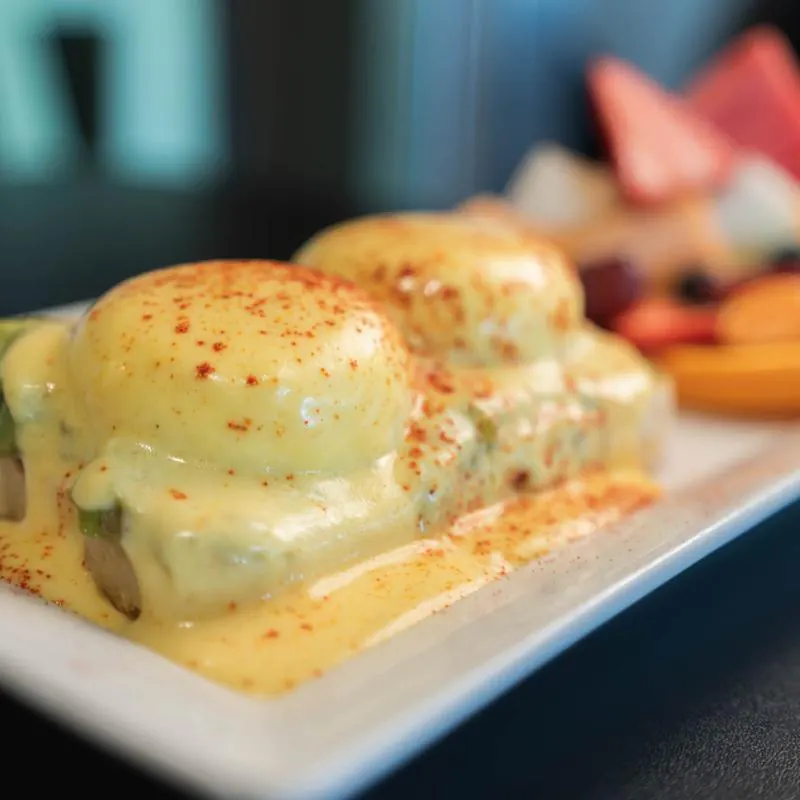
A café is generally an informal place to enjoy refreshments and a meal. Bennies Cafe in Monument serves breakfast and lunch in a counter-service setting, with options including eggs Benedict, sandwiches and crepes. Guests can eat in or arrange pickup.
What is the difference between a coffee shop and a café?
The terms often overlap. A coffee shop usually emphasizes coffee and other drinks, while a café may offer a broader food menu. Check the individual establishment's menu rather than relying on its name. Bennies Cafe offers coffee drinks alongside breakfast and lunch dishes.
What is the difference between café and coffee?
In everyday English, a café is a place where people buy food and drinks, while coffee is the beverage. The word café comes from the French word for coffee. Bennies Cafe serves options such as brewed coffee, espresso and lattes as part of its drinks menu.
Corrections
Spot something wrong? Send it to the desk and it gets fixed in the open.